
Does Airtable offer a way to enjoy its advantages without having to pay an exorbitant price? Look no farther. With so much information about excellent tools that could actually make Airtable look bad, this article is your one-stop shop for the greatest Airtable substitutes.
We’re talking about user interfaces so smooth you’ll effortlessly transition into productivity mode, seamless third-party app integrations, and customization to fit any team like a glove. To ensure that your team is not lacking essential features, you will also learn how to select the best alternative to Airtable.
Evaluating Airtable Alternatives for Project Management
Finding the top Airtable substitutes for your team is similar to looking for a new favorite coffee shop. You may have favorite aspects of your favorite spot, such as its perfect brew and comfortable chairs, but there may be a better spot nearby with faster Wi-Fi and pastries. Features like user interface and customization options in project management tools are similar in how they help find the right fit.
Importance of Customization in Management Tools
Adding customization to your project management software is essential—it’s not just a nice-to-have. It’s similar to selecting a barista who is aware of your order and name. A customized tool can transform a typical workday into an extremely productive one.
Spreadsheet tools come into their own here, providing highly configurable field types and templates that let teams fine-tune everything from task management to workflow automation.
The secret is striking a balance between usefulness and robust functionality—a steep learning curve may require more time spent reading than actually using the tool. Thus, it’s critical to take into account both the degree of customization and the ease with which custom workflows can be created without requiring ongoing customer support or searching through large template libraries.
Integration Capabilities with Third-Party Apps
The good news is that you can use a tool like Magical to move data to and from any app on this list, including Airtable. This is a free Chrome extension that has the magical ability to transfer any piece of data from one tab to another. Look at this: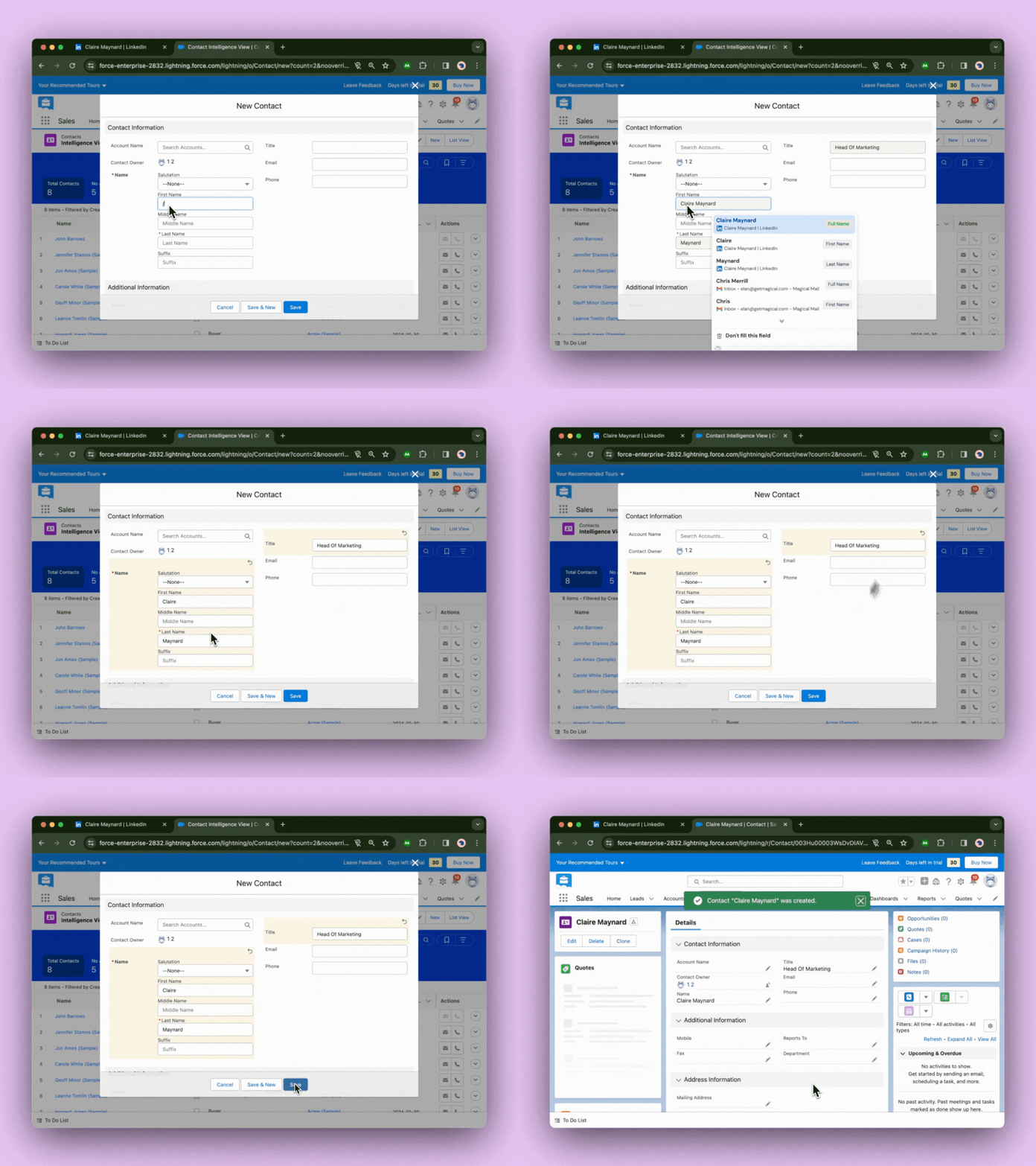
The Top Airtable Alternatives
Choosing the appropriate project management tools can significantly improve teamwork and productivity. When searching for an Airtable substitute, it’s critical to carefully consider your options. Let’s examine a few of the best Airtable substitutes.
1. Hive
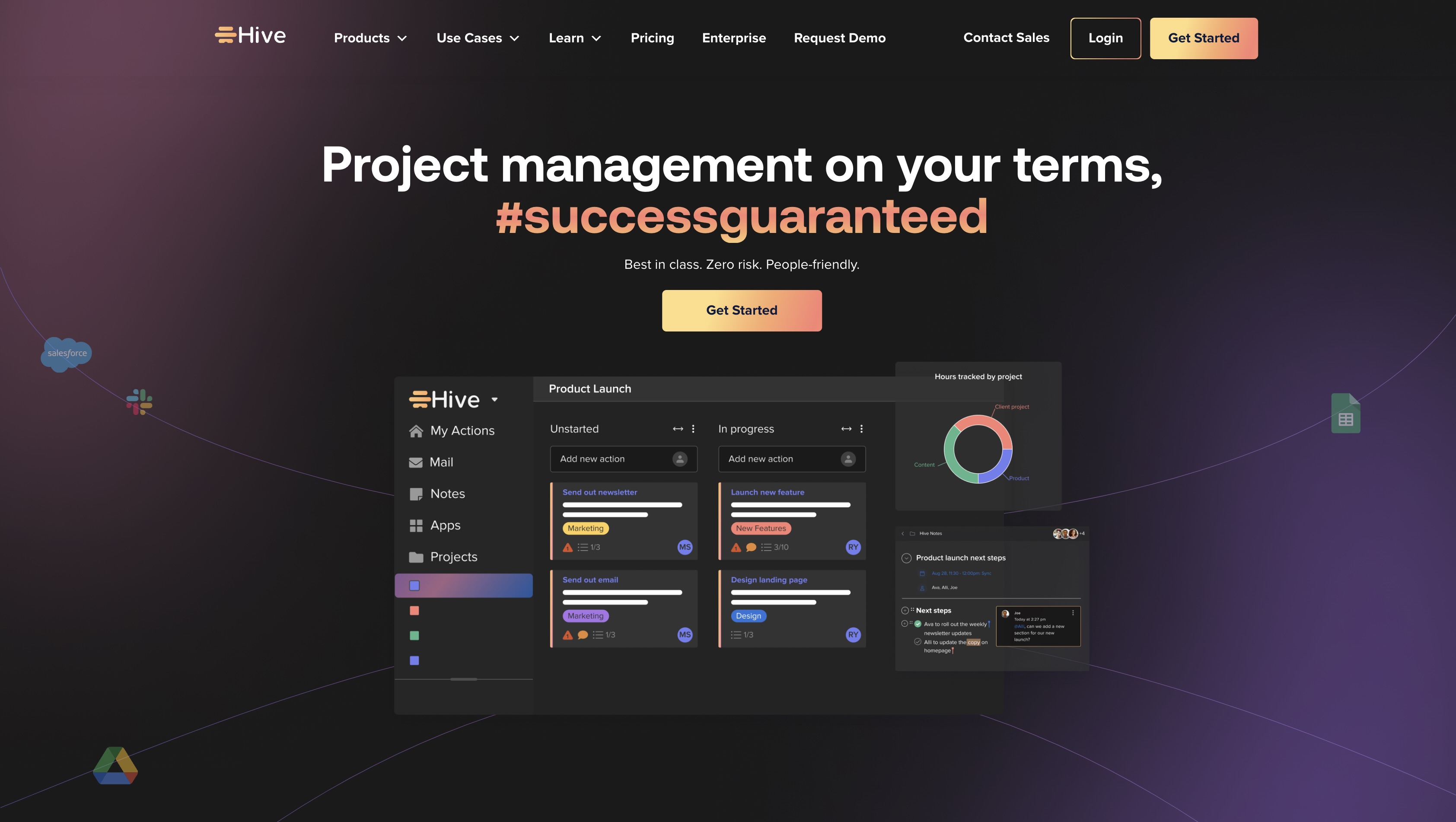
Hive emerges as a strong competitor for those searching for robust workflow automation options beyond Airtable. It takes pride in providing strong workflow management features that keep projects on track in addition to its spreadsheet-like functionality. Imagine using kanban boards to move smoothly from the planning stages to task execution—all on the same platform.
Task tracking is only one aspect of Hive; it also improves project management by enabling real-time collaboration between multiple users, which small teams will value when deadlines approach. Hive presents itself as more than just a straightforward database, where productivity and flexibility collide at every turn. Team portals and resource management are features that are integrated into its core offerings.
2. Smartsheet
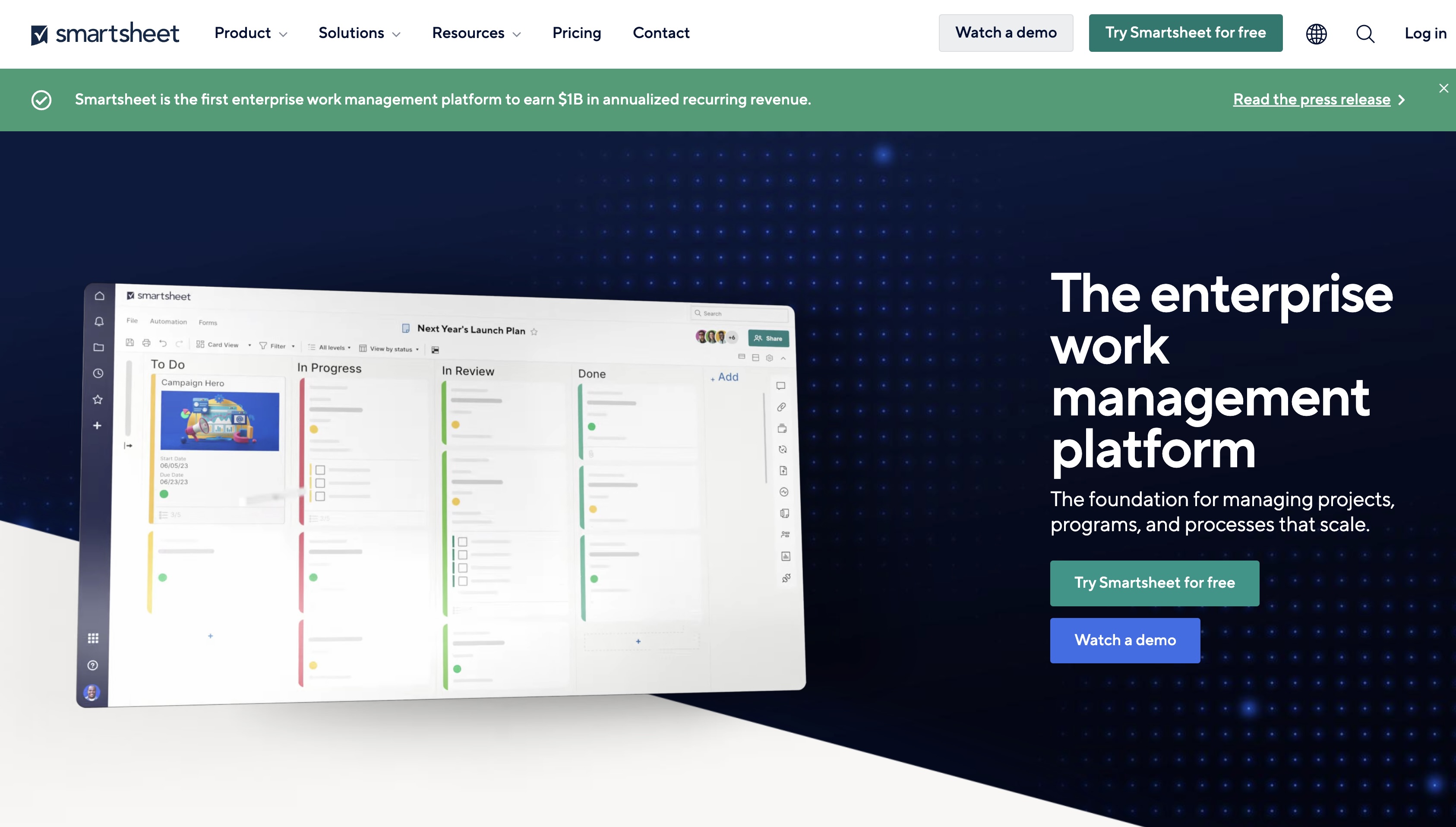
If scaling operations is what keeps you up at night, then Smartsheet’s dynamic solutions might offer some much-needed shut-eye. This platform extends beyond typical spreadsheet tools with capabilities designed for comprehensive project handling—from initial brainstorming sessions using Gantt charts to managing resources effectively across complex timelines.
The learning curve here may seem steep initially but push through because Smartsheet shines once you’ve got a grip on its extensive template library and reporting dashboard—which can be highly customizable based on specific needs or goals of your team members.
3. Stackby
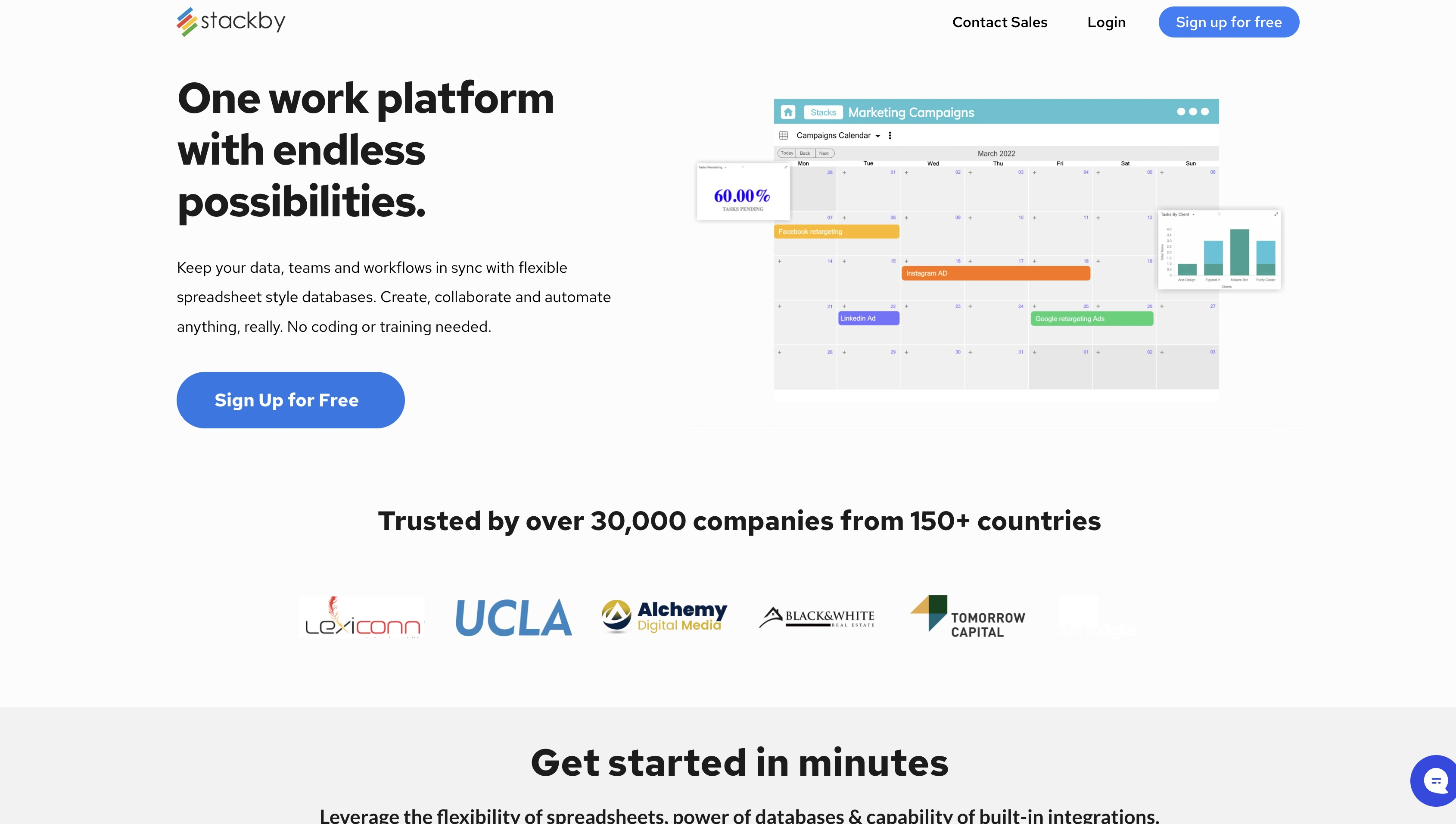
If you’re on the hunt for a project management tool that doesn’t break the bank but still offers powerful features, Stackby might just be your ticket. When we talk cost-effective, we’re not just throwing around buzzwords; Stackby really brings it home by being four times more affordable than Airtable for teams of any size. This no-code spreadsheet-style database lets you customize without coughing up loads of cash.
Flexibility in data handling is key when managing projects—and that’s where Stackby shines with its over 25 unique column data types. You can build custom workflows to suit your team’s style while staying organized and efficient. Think about this: whether you need checkboxes or dropdowns, links or attachments—Stackby has got them all.
4. Coda
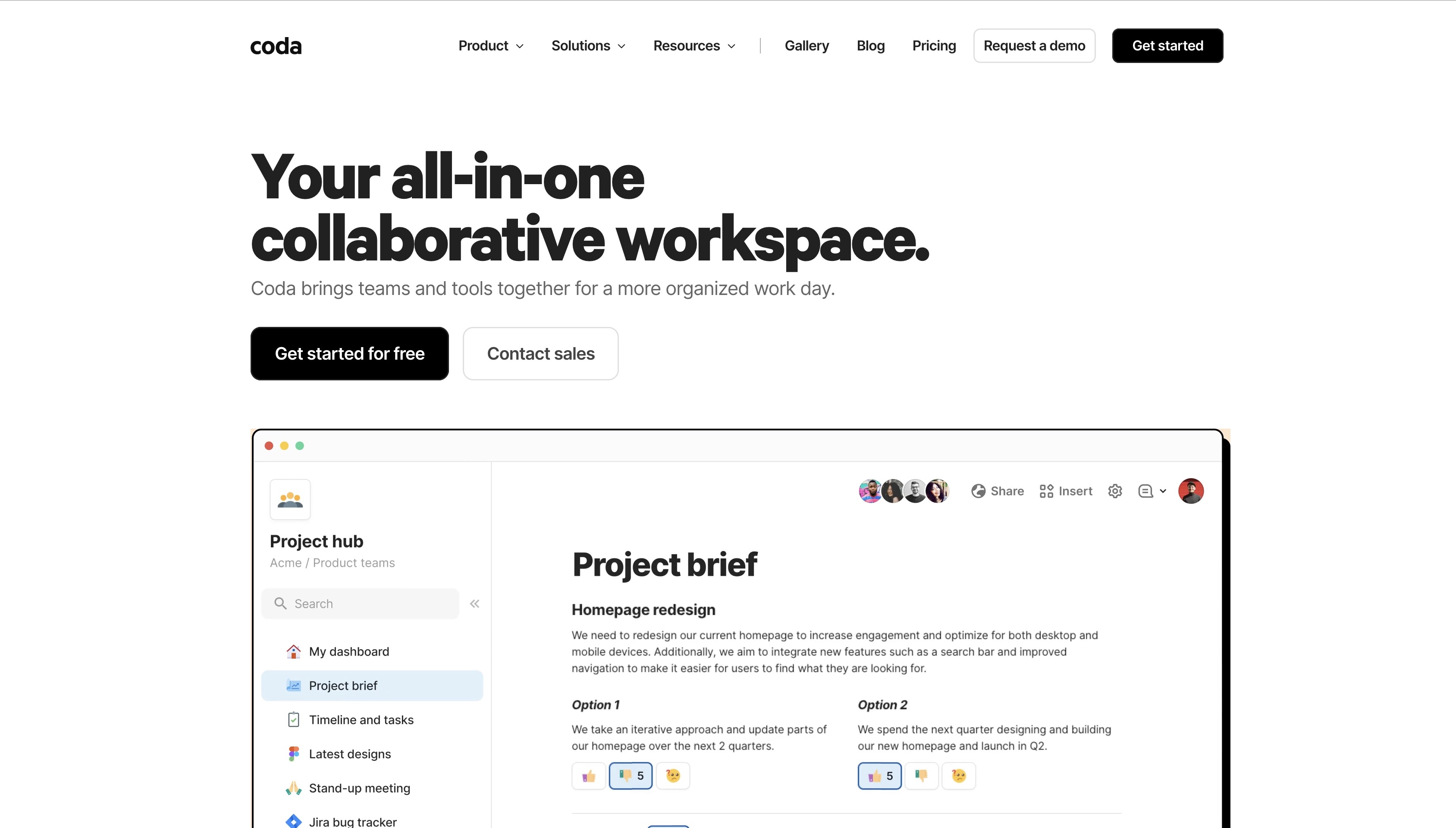
Imagine a workspace where documents and spreadsheets live together, seamlessly integrated. This is the reality Coda offers, crafting an environment where interactive documents elevate project management with powerful formula computations that go beyond traditional spreadsheet tools.
The power of Coda lies in its unique platform which combines documents, spreadsheets, and custom applications into one accessible space. For teams tired of juggling between apps for different needs—Coda simplifies this by allowing users to create docs that do more than just store information; they can act as dynamic databases capable of managing complex projects from start to finish.
5. Zoho Sheet
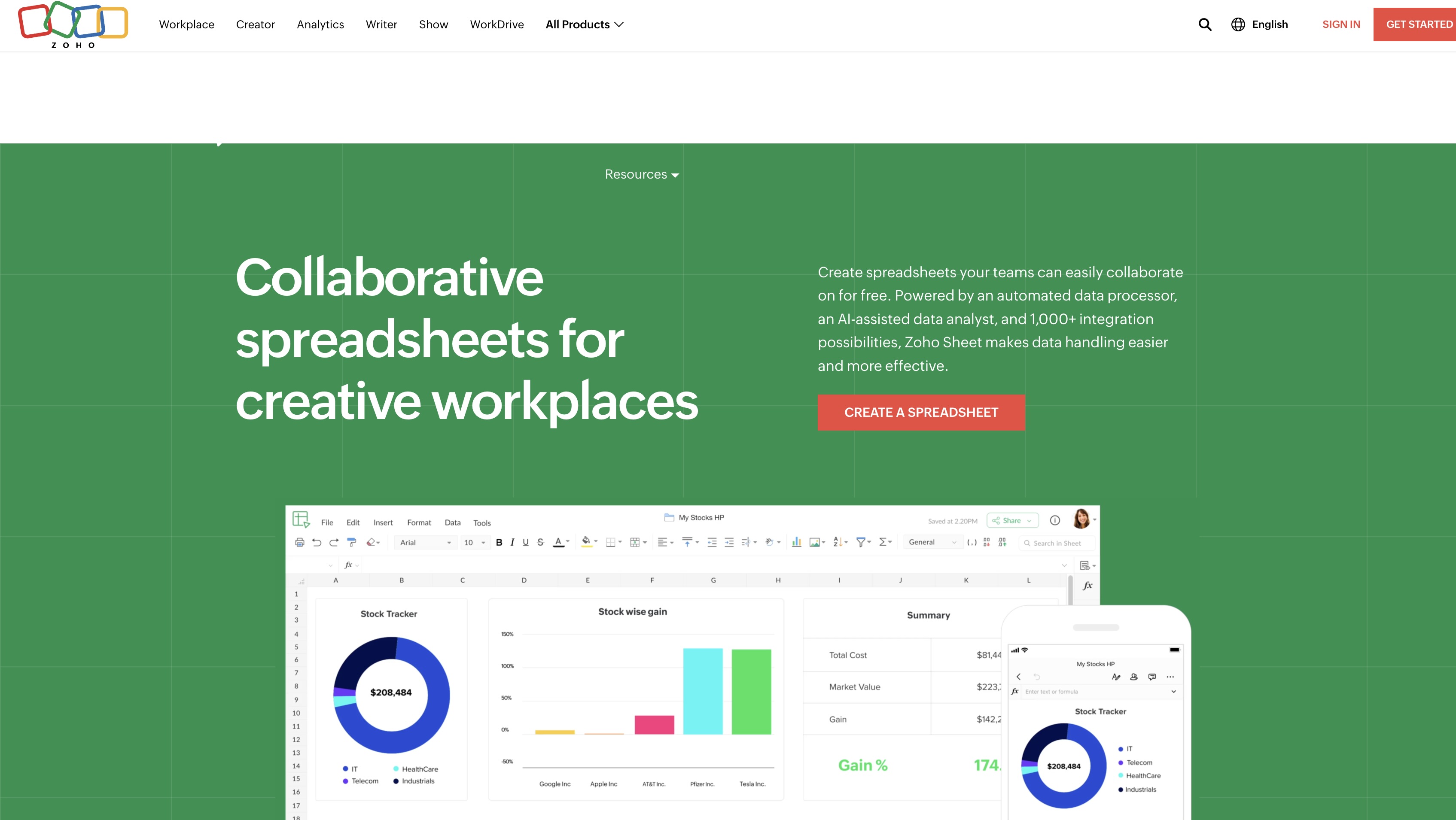
Zoho Sheets is a powerful online spreadsheet application that offers an impressive array of features. It’s a popular alternative to Airtable, especially for teams looking for comprehensive data analysis and collaboration tools.
Zoho Sheets supports various file formats like XLSX, CSV, ODS, and TSV files which makes it easy to import data from different sources. This versatility also extends to exporting your work; you can download spreadsheets in multiple formats or publish them as web pages directly from the platform.
6. Jira
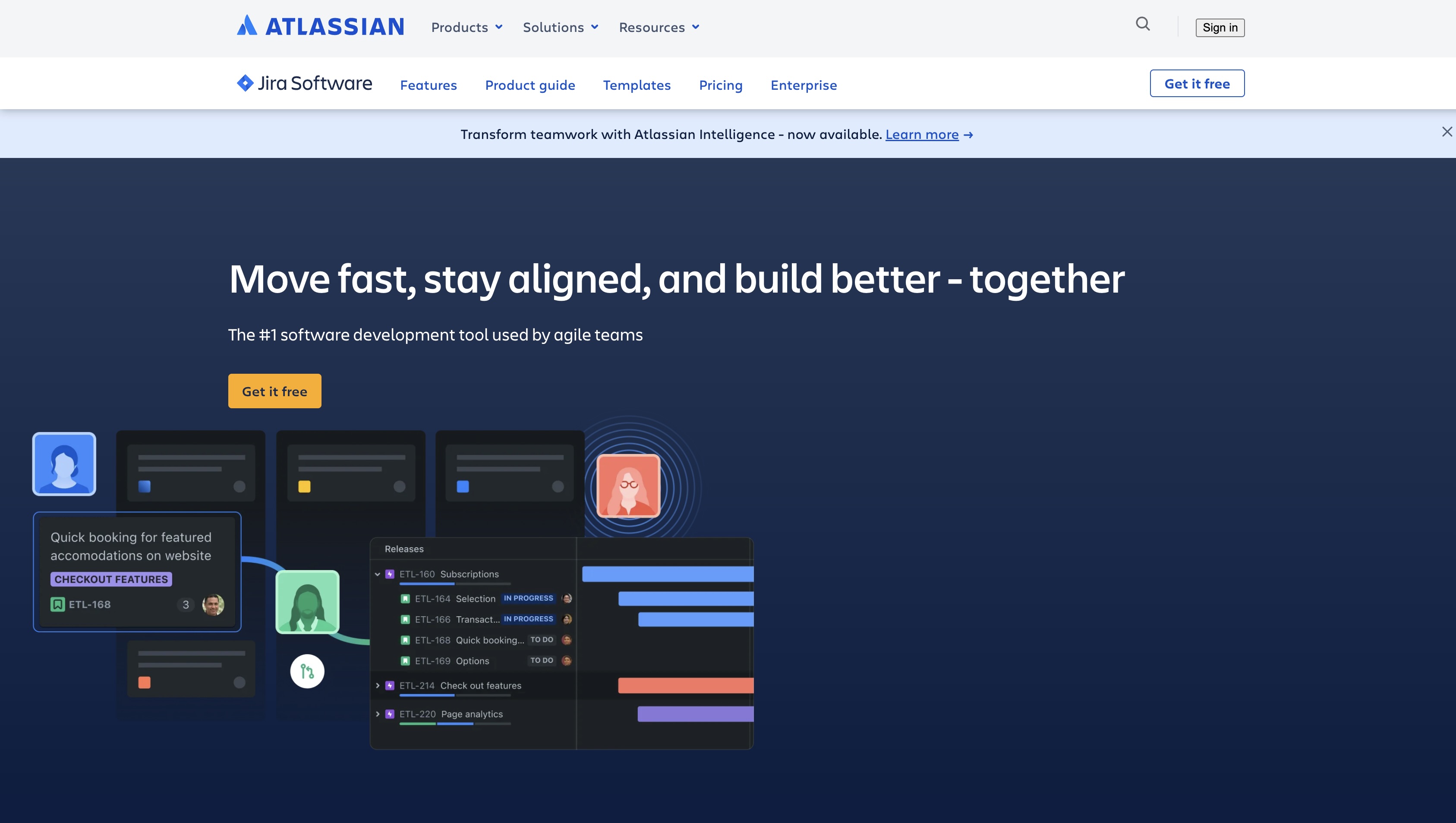
If you’re looking for a robust alternative to Airtable, Jira might just be the tool you need. Designed primarily for software development teams, it offers an array of features that can streamline project management and enhance productivity.
Jira’s standout feature is its powerful issue tracking system. It allows users to create tasks or issues, assign them to team members, track their progress, and manage workflows efficiently. With customizable scrum boards, kanban boards, and agile reporting capabilities at your disposal – managing complex projects becomes significantly easier.
7. Google Sheets
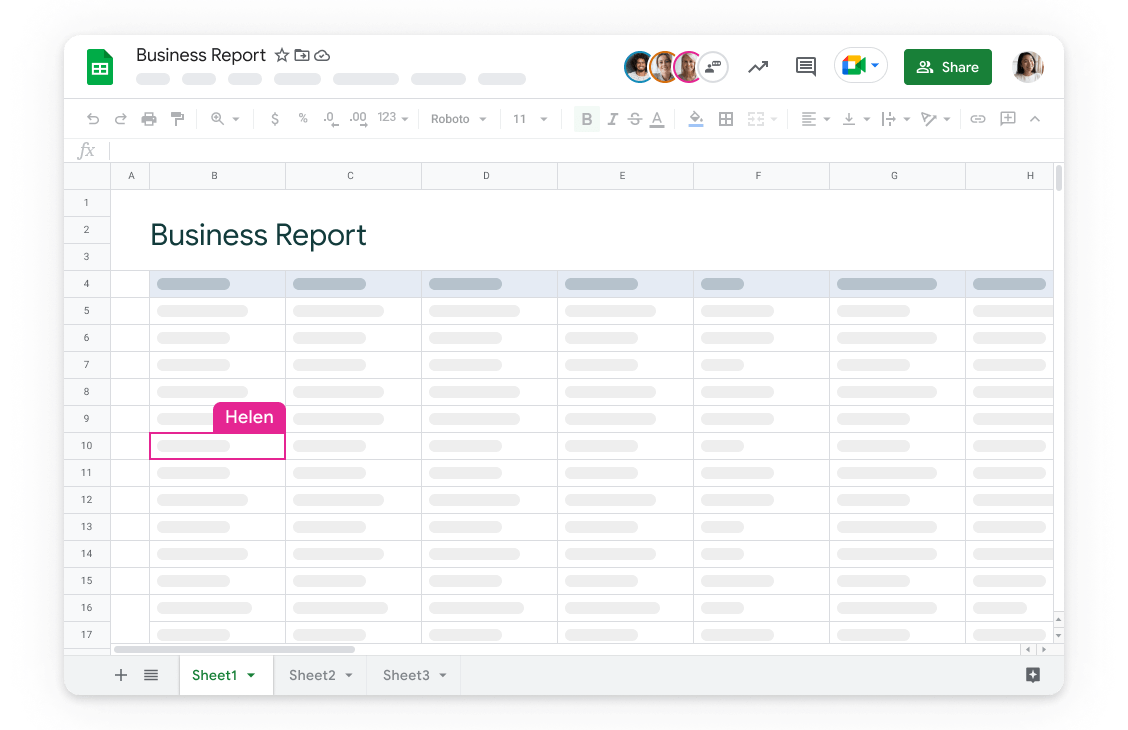
Google Sheets is a widely used cloud-based spreadsheet application that is part of Google Workspace (formerly G Suite). It offers a variety of features aimed at enhancing productivity, collaboration, and data analysis. Google Sheets allows multiple users to work on the same spreadsheet simultaneously.
It supports real-time editing, commenting, and chatting within the document, making collaborative work seamless. It also supports various formats including Excel files, making it easy to import and export documents. Google Sheets integrates well with other Google services like Google Drive, Google Forms, and Google Apps Script, enhancing its functionality and versatility.
8. Trello
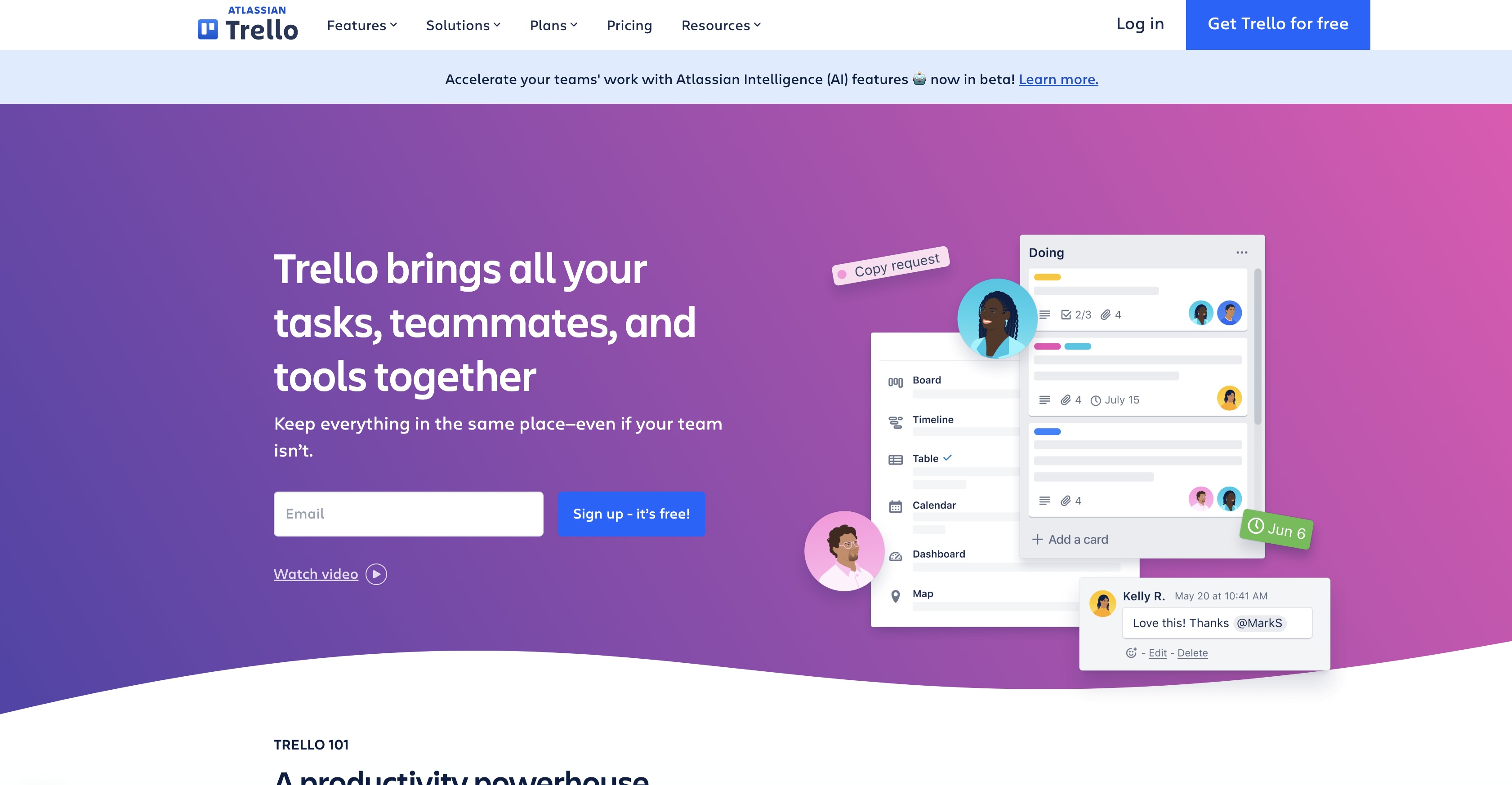
In the realm of productivity tools, one alternative to Airtable that’s worth considering is Trello. Known for its flexibility and simplicity, Trello stands out as a powerful tool for managing projects and tasks. Let’s delve into some key features that make this platform an excellent choice.
Trello boasts a user-friendly interface with boards, lists, and cards representing different aspects of your project. This visual approach makes it easy to understand at a glance what needs doing next in any given project or task.
The collaboration tools in Trello are top-notch. You can easily add members to tasks or entire boards, assign specific roles, leave comments on cards for feedback or updates and attach files from various sources like Google Drive or Dropbox. The ability to @mention people ensures no communication gets lost along the way.
9. Asana
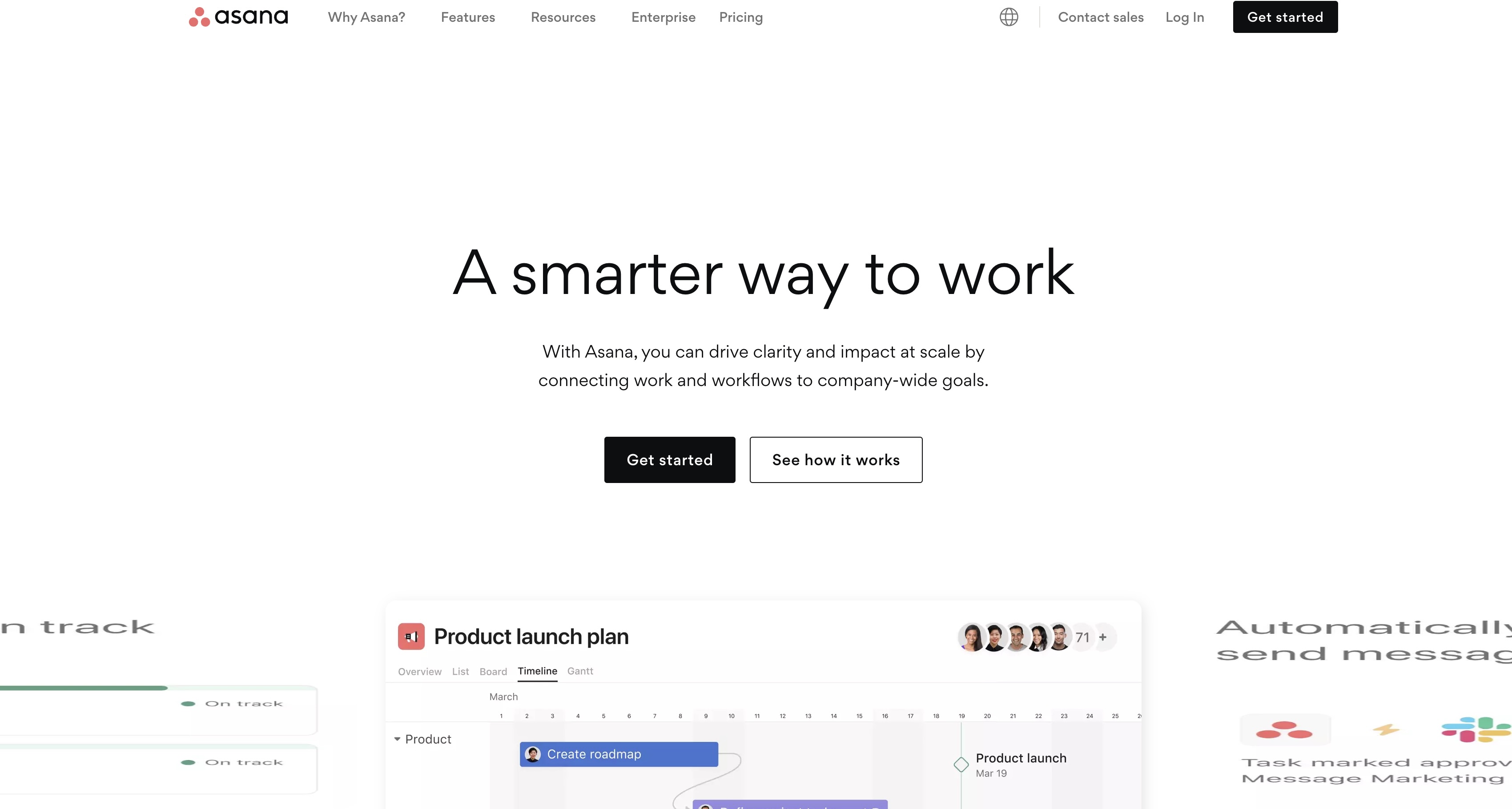
As an alternative to Airtable, Asana is a project management tool that offers several unique features designed to enhance productivity and streamline workflows. Its user-friendly interface makes it easy for teams to plan, organize, and manage their work in one place.
The core functionality of Asana lies in its robust task management feature. Users can create tasks, assign them to team members, set deadlines, and track progress all within the platform. This allows everyone on the team to have a clear view of what needs to be done and who’s responsible for each task.
Beyond simple task lists, Asana provides multiple ways for teams to visualize their projects. From Kanban boards and Gantt charts (called Timeline) to calendars and workload views – these tools help users understand how tasks fit into larger initiatives or timelines.
10. Nifty
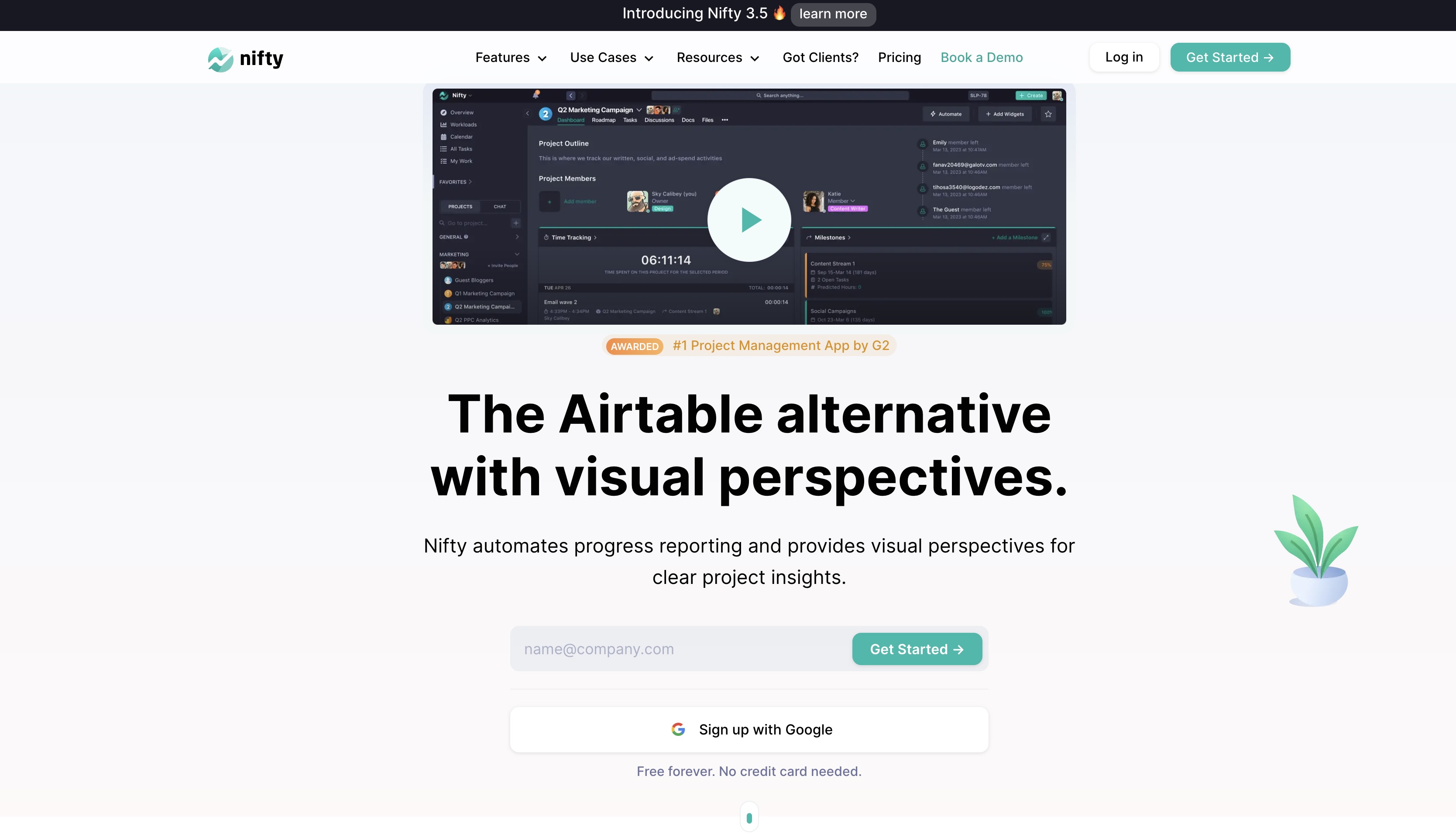
Nifty is a project management tool that stands out as an effective alternative to Airtable. It offers a variety of features designed to streamline workflows, facilitate collaboration, and enhance productivity.
The core functionality of Nifty lies in its robust project management capabilities. Users can create detailed project roadmaps with timelines and milestones for clear visibility into the progress and status of tasks. The ability to assign roles, set deadlines, and monitor task completion makes it easy for teams to stay on track.
Nifty promotes efficient team collaboration by offering built-in communication tools such as direct messaging and group chats. This eliminates the need for multiple applications or platforms for different aspects of teamwork. Moreover, its document sharing feature allows seamless exchange of files among team members ensuring everyone has access to necessary resources at all times.
How To Choose The Right Airtable Alternative
Choosing the right Airtable alternative for your team involves evaluating your team’s specific needs, workflow requirements, and the features offered by potential alternatives. Here’s a structured approach to making an informed decision:
1. Assess Your Team’s Needs
Workflow Complexity: Determine the complexity of your workflows. Do you need simple task management, or do you require advanced project management with automation?
Collaboration Features: Consider how your team collaborates. Do you need real-time editing, commenting, and notification features?
Integration Requirements: Identify the tools and services your team already uses and ensure the alternative integrates well with them.
Customization and Scalability: Evaluate the need for customization and whether the alternative can scale with your team’s growth.
Budget Constraints: Set a budget for what your team can afford to spend on a project management tool.
2. Compare Features
Database and Spreadsheet Capabilities: If your team relies heavily on databases and spreadsheets, look for a tool that offers robust data management and visualization options.
Automation and APIs: Check if the tool provides automation features and API access to streamline workflows and integrate with other apps.
Templates and Ease of Use: Consider whether the platform offers templates and an intuitive interface to speed up the setup and adoption process.
Security and Compliance: Ensure the platform meets your security requirements and complies with relevant regulations.
3. Evaluate Collaboration and Accessibility
Real-time Collaboration: Tools should allow your team to work together in real-time.
Access Controls: Look for flexible access controls and permission settings to manage who can view or edit information.
Cross-platform Accessibility: Ensure the tool is accessible on the devices and platforms your team uses, including mobile apps if needed.
4. Consider Support and Community
Customer Support: Good customer support (via email, chat, or phone) is crucial for addressing issues promptly.
User Community: A vibrant user community can provide valuable insights, tips, and templates.
5. Trial and Feedback
Free Trials or Demos: Use free trials or demos to test the tools in real-world scenarios relevant to your team.
Gather Team Feedback: Collect feedback from your team members on the usability, features, and any limitations they encounter.
Recall that the optimal decision is based on weighing the unique requirements of your team against your budget and the ease of moving from Airtable to the new platform. You can make sure you select the best tool for your team by taking the time to carefully consider your options and get input from others.
A Final Word
Discovering the top alternatives to Airtable can lead to breakthrough findings. Make sure the tool you select for your group will facilitate a seamless transition. Don’t let price be your only consideration when selecting an Airtable substitute.
– Valutric